On the one thing that can make or break a beautiful room, and why I pay attention to it long before choosing the marble.
I have a fairly serious love affair with beautiful materials. Give me an interesting piece of marble, a gorgeous timber grain or a perfectly imperfect plaster finish, and I could happily spend hours discussing the possibilities.
But there's one material that will always come before the rest. And conveniently, it's free.
Natural light.
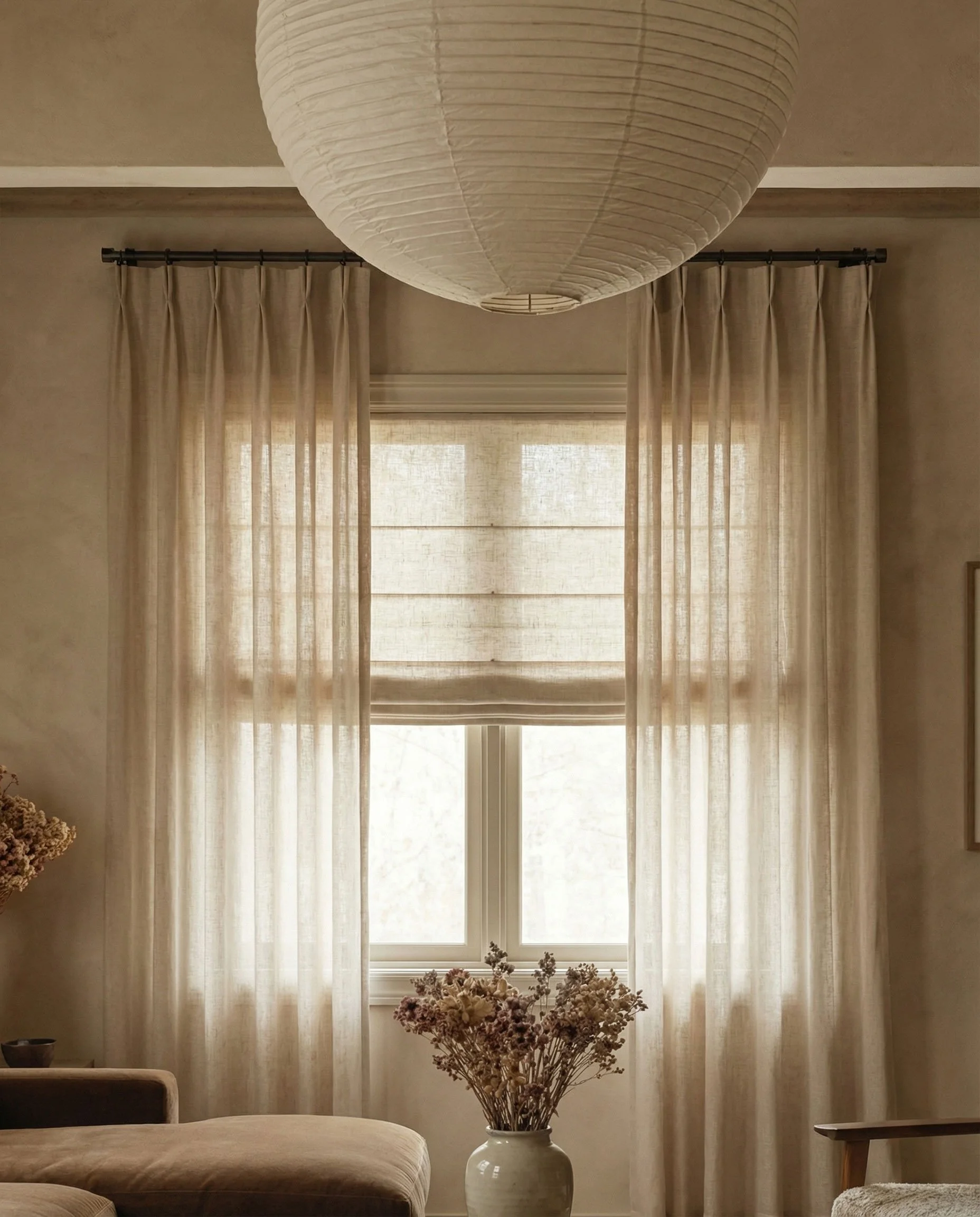
It's one of those things we tend to take for granted until we walk into a room that has it just right. Suddenly, everything feels different. The colours are richer, the textures more interesting, and even the most ordinary objects seem to have a little something special about them.
And the funny thing is, you can't actually put your finger on why.
A room is never quite the same twice.
One of the things I find most fascinating about natural light is how it changes a space throughout the day.
That beautiful warm white you fell in love with at midday? It might look completely different by late afternoon. A piece of stone that appears quite understated in the showroom can suddenly reveal the most extraordinary veining when the sun catches it at the right angle.
And then there are those moments when the afternoon light pours through a window, hits a wall just so, and makes you stop whatever you're doing to admire it.
I love those moments.
They're a reminder that a room is never really static. It changes with the time of day, the seasons and even the weather. And I think good design should embrace that rather than try to control every last detail.
Beautiful materials need beautiful light.
I've learnt that choosing materials in isolation is a dangerous game.
A marble sample might be absolutely spectacular under showroom lighting, but that doesn't necessarily mean it's going to look the same in your kitchen. The same goes for paint, timber, fabrics and just about every other finish.
Light has an enormous influence on how we perceive colour and texture. It can bring out warmth, soften contrast, reveal beautiful imperfections or make something feel unexpectedly flat.
Which is why I'm a big believer in taking samples home, moving them around and looking at them at different times of the day.
It might seem excessive to spend an entire afternoon contemplating two almost identical shades of plaster.
But I can assure you, they are not identical.
Sometimes, the best design decision is a window.
As much as I love the decorative side of interiors, some of the most important decisions happen long before we get anywhere near furniture or finishes.
Where does the morning sun enter? Which rooms receive the most beautiful afternoon light? Is there an opportunity to introduce a skylight, enlarge a window or create a better connection to the outdoors?
Sometimes a relatively small architectural adjustment can completely transform how a room feels.
A skylight above a staircase. A window positioned to frame a tree. A doorway that allows natural light to travel a little further into the house.
These aren't necessarily the details that get the most attention in photographs, but they're often the ones that make the biggest difference to everyday life.
And personally, I think there's something quite wonderful about designing a room around a beautiful patch of sunlight.
Let the light do its thing.
Of course, not every room is blessed with enormous windows and perfect orientation. And that's perfectly fine.
Some spaces are naturally darker, and I don't necessarily think the answer is to make them feel brighter at all costs.
There's something incredibly beautiful about a moody room. Deep colours, rich materials, softer lighting. A space that feels intimate rather than expansive.
I've never believed every room in a house needs to feel the same. In fact, I quite like the idea of moving between different atmospheres throughout the day.
What matters is understanding the light you have and working with it.
Sometimes that means keeping window treatments light and uncomplicated. Sometimes it means choosing materials that bring warmth into a darker space. And sometimes it means embracing the shadows instead of fighting them.
A little contrast makes everything more interesting.
The things you don't always notice.
I think some of the best design decisions are the ones you don't immediately recognise as design decisions.
You might not consciously notice that a window has been positioned to catch the morning sun, or that a particular finish was chosen because of the way it responds to natural light.
You just know the room feels good.
And ultimately, that's what interests me most.
I love beautiful things, and I always will. But even the most extraordinary marble or perfectly considered piece of furniture can only do so much on its own.
Light is what brings everything together. It gives materials their character, creates atmosphere and makes a home feel alive.
So yes, I'll happily spend hours choosing the perfect stone.
But first, I'd like to know where the sun comes in.
Recent Posts


A maximalist at heart, I've always loved bold colours, beautiful objects and interiors with personality. But over time, I've come to appreciate the art of knowing when enough is enough. A reflection on restraint, the Italian concept of sprezzatura, and why the most interesting spaces aren't always the ones with the most to say.